Importance of Supervised Brushing in Early Childhood
Supervised brushing for children is key to good dental health. Many young kids cannot clean their teeth well on their own. Because of this, parents and caregivers should help. According to the CDC, tooth decay is one of the most common childhood diseases. Yet, with proper care, it is mostly preventable. When adults supervise, children learn the right way to brush. This early guidance helps set healthy habits for life. In addition, it lowers the risk of cavities and gum problems.
Common Dental Problems in Young Children Due to Poor Brushing
Poor brushing can lead to several dental issues in kids. For example, children may get cavities, which are holes in the teeth. Cavities can cause pain and infection. Sometimes, untreated cavities lead to problems with eating, speaking, or learning. Gum disease can also start early if teeth are not cleaned well. Furthermore, plaque buildup can cause bad breath and tooth discoloration. Because these problems are common, supervised brushing for children is very important.
How to Properly Supervise a Child’s Brushing Routine
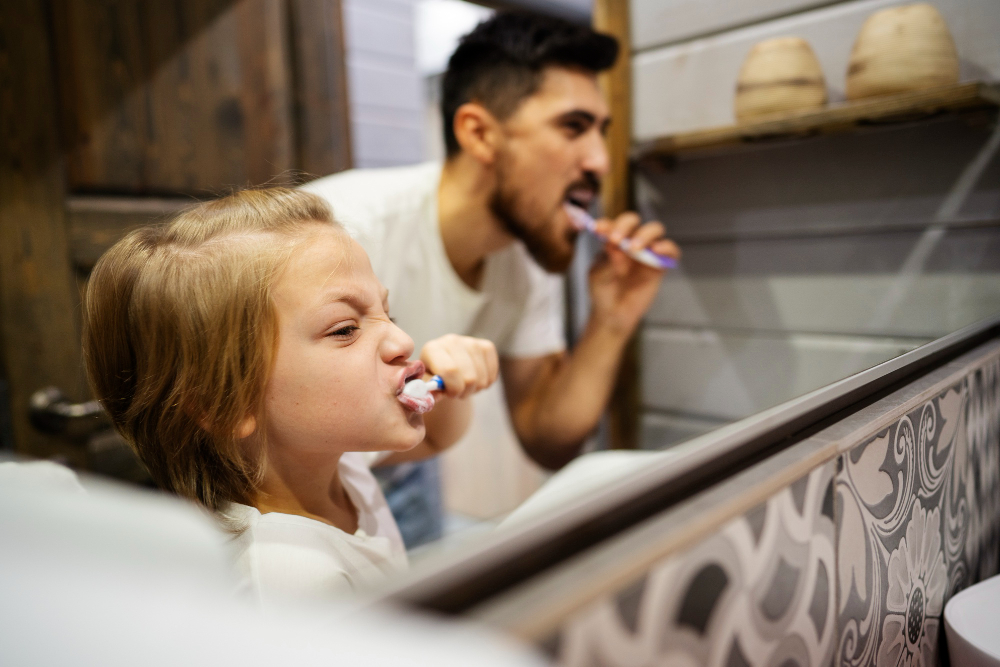
Supervising your child’s brushing routine does not have to be hard. First, make sure your child uses a small, soft-bristled toothbrush. Next, use a pea-sized amount of fluoride toothpaste. While your child brushes, watch closely and guide their hand if needed. Encourage brushing for two minutes, covering all tooth surfaces. After brushing, check your child’s teeth for missed spots. If you need help, many local dental clinics offer free brushing demonstrations. As your child grows, let them do more on their own, but always double-check their work.
Recommended Age for Supervised Brushing
Experts like the American Dental Association suggest supervising brushing until at least age 7 or 8. Before this age, most children lack the skill to clean teeth well. Even after age 8, some kids need reminders or help. Because every child is different, watch for signs your child is ready. For instance, can they tie their shoes? If so, they may have the hand skills needed for brushing. Still, regular checks are helpful even for older kids.
Tips for Making Brushing Fun and Effective for Kids
With these tips, brushing can become a fun part of your child’s daily routine. As a result, children are more likely to keep up the habit.
Preventive Dental Care and Professional Recommendations
Besides supervised brushing for children, regular dental visits are important. Dentists can check for early signs of cavities or gum disease. They may also apply fluoride treatments or dental sealants to protect teeth. The CDC and WHO both recommend seeing a dentist by your child’s first birthday. In many areas, local dental clinics offer free checkups for young children. By following these steps, you help prevent dental problems before they start. Remember, early care leads to a lifetime of healthy smiles.
Conclusion
For expert advice on your child’s dental care, book a visit with Dr. Sujeet Pal. Start healthy brushing habits early and keep your child’s smile bright.