Introduction
Baby teeth care is the practice of keeping your child’s first teeth clean and healthy. These teeth, also called primary teeth, help your child chew, speak, and smile. Although baby teeth will fall out, they play a big role in your child’s health. Early dental care for children can prevent problems and set the stage for a lifetime of healthy smiles.
Why Early Dental Care Matters
Many parents wonder why baby teeth care is important if these teeth are temporary. However, caring for baby teeth has many benefits. First, healthy baby teeth help your child eat and speak clearly. Also, they hold space for adult teeth to grow in the right place. If baby teeth are lost too soon, adult teeth may come in crooked.
On the other hand, neglecting early dental care can lead to tooth decay, pain, and even infections. According to the CDC, cavities are one of the most common childhood diseases. But with proper care, most dental problems can be avoided.
Symptoms and Signs of Dental Issues in Babies
It is important to watch for signs of dental problems in your child. Early detection can prevent bigger issues later. For example, you might notice:
If you see any of these signs, it is wise to talk to a dentist soon. Early treatment can stop problems from getting worse.
Causes of Common Baby Teeth Problems
Several things can cause dental issues in babies. Most often, tooth decay starts when sugary foods or drinks stay on the teeth. Bacteria in the mouth turn sugar into acid, which can damage the teeth. In addition, sharing spoons or cleaning pacifiers with your mouth can pass bacteria to your child.
Because baby teeth are softer than adult teeth, they can get cavities more easily. But with good habits, you can help prevent these problems.
Diagnosis and When to See a Dentist
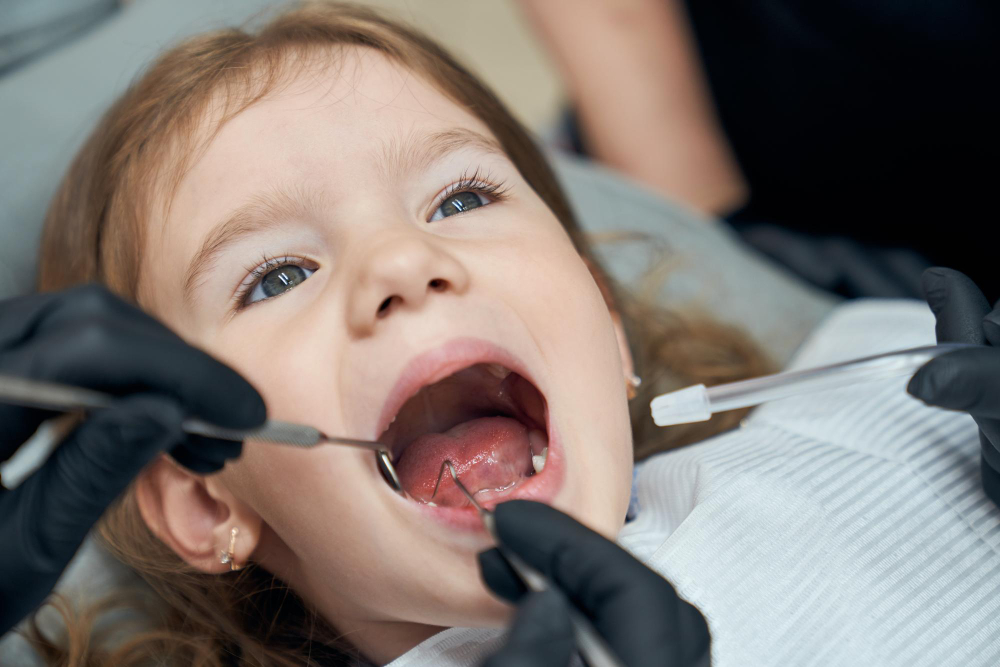
Early dental visits are key for baby teeth care. The American Academy of Pediatric Dentistry suggests seeing a dentist by your child’s first birthday. During the visit, the dentist will check for signs of decay, look at your child’s bite, and answer your questions.
But if you notice pain, swelling, or changes in your child’s teeth or gums, do not wait. Make an appointment right away. Early diagnosis can make treatment easier and less stressful for your child.
Effective Baby Teeth Care Tips
Good daily habits are the best way to care for baby teeth. Here are some simple tips:
Because healthy habits start early, make brushing and flossing a fun part of your child’s daily routine.
Prevention Strategies
Preventing cavities in baby teeth is easier than treating them. For example, you can:
With these steps, you can help your child avoid dental problems and enjoy a healthy smile.
Frequently Asked Questions
Conclusion
In summary, baby teeth care is vital for your child’s health and future smile. Early dental care for children helps prevent pain, cavities, and other problems. For the best results, follow daily care tips and visit your dentist regularly. Consult Dr. Sujeet Pal for personalized advice.