
What Are Bleeding Gums?
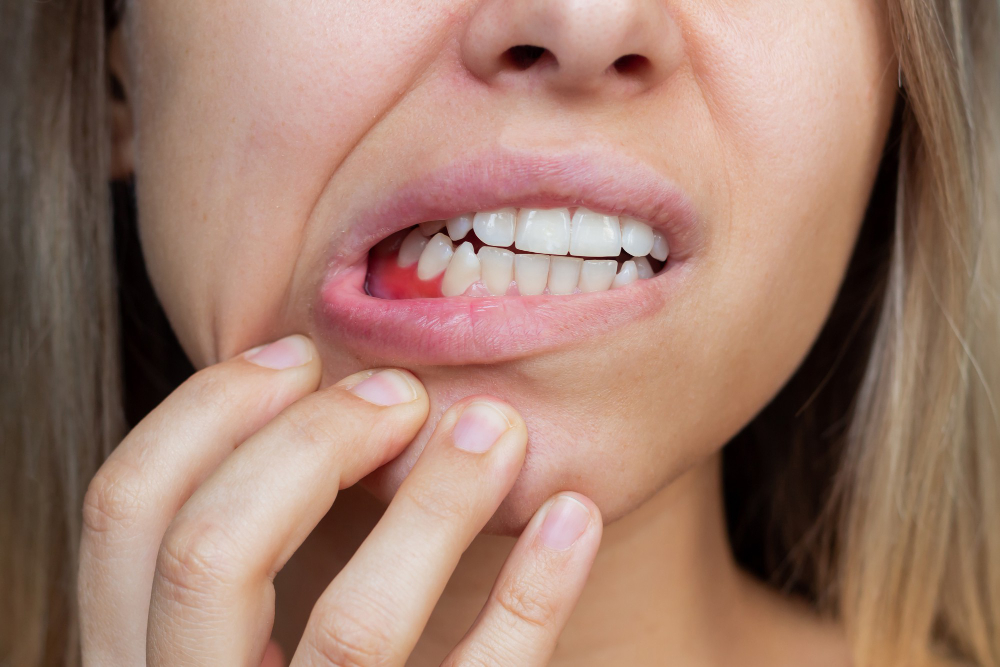
Bleeding gums happen when your gums bleed during brushing, flossing, or sometimes even when eating. Often, people notice a pink or red color on their toothbrush or in the sink. Although it may seem minor, bleeding gums can be a sign of gum problems. In fact, the CDC reports that many adults have some form of gum disease. Because of this, it is important to pay attention to bleeding gums early.
Common Causes of Bleeding Gums
There are several reasons why gums bleed. Understanding these bleeding gums causes can help you protect your oral health. For example, some causes are easy to fix, while others may need dental care.
Why You Should Not Ignore Bleeding Gums
While it may seem harmless, bleeding gums can signal bigger problems. For instance, untreated gum disease can lead to tooth loss. According to the World Health Organization, gum disease is a major cause of tooth loss worldwide. Additionally, research shows that gum problems may link to heart disease and diabetes. Because of these risks, you should not ignore bleeding gums. Early care can help prevent serious health issues later.
How Bleeding Gums Are Diagnosed
When you visit a dentist, they will check your mouth for signs of gum disease. First, they may ask about your brushing and flossing habits. Next, the dentist will look for swollen, red, or bleeding gums. Sometimes, they may use a small tool to measure gum pockets around your teeth. In some cases, X-rays help check for bone loss. With these steps, your dentist can find out why your gums bleed and suggest the best care.
Treatment Options for Bleeding Gums
There are many ways to treat bleeding gums, depending on the cause. For example, simple changes in your daily routine can help. However, some cases need professional dental care.
Tips for Preventing Bleeding Gums
Preventing bleeding gums is possible with a few simple steps. Not only do these gum health tips protect your mouth, but they also support your overall health.
By following these steps, you can prevent bleeding gums and keep your smile healthy. If you notice bleeding, do not wait to seek advice from Dr. Sujeet Pal